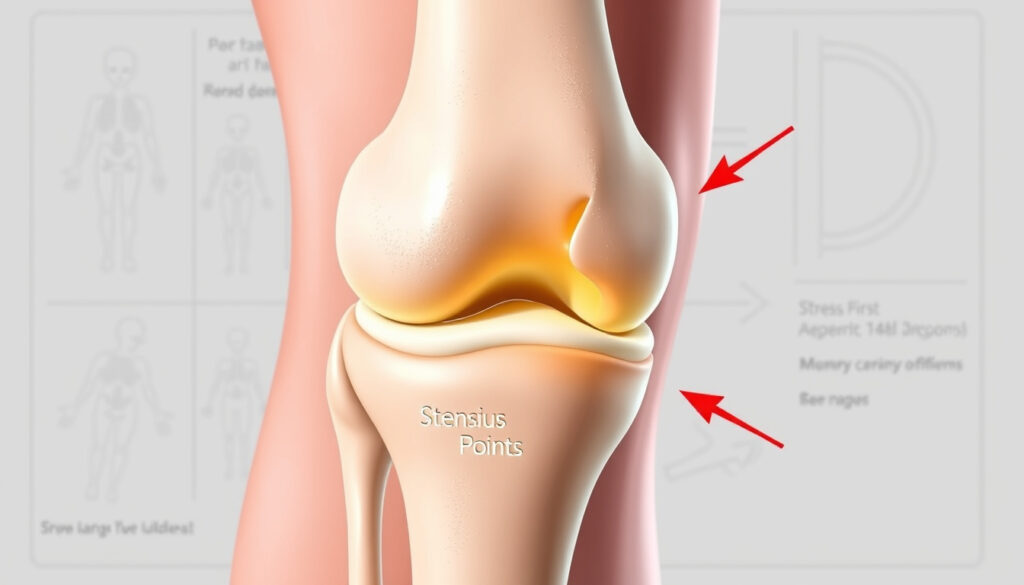
Torn Meniscus Symptoms and Self-Tests
That sudden, sharp pain when you twist your knee during a pickup basketball game—or while stepping off a curb the wrong way—can leave you wondering if something’s torn. A meniscus tear is one of the most common knee injuries, and knowing the symptoms and how to test for it at home can save you days of worry. This guide walks through the telltale signs, the limits of self-checking, and when an MRI becomes the only way to know for sure.
Meniscus tear incidence: Approximately 61 per 100,000 people per year ·
Commonality in knee injuries: Most common knee injury requiring surgery ·
Accuracy of physical exam: Physical exam (e.g., McMurray test) has ~70–80% sensitivity ·
MRI confirmation rate: MRI can confirm a tear with >90% accuracy ·
Recovery time (non-surgical): Typically 4–6 weeks for partial tears ·
Recovery time (surgical): 4–6 months post-arthroscopic repair
Quick snapshot
- Pain when twisting or rotating the knee (Physio Pretoria, clinical guide)
- Swelling develops over 24–48 hours (Mayo Clinic, patient education)
- Knee locking or catching sensation (Cleveland Clinic, diagnostics)
- No validated at-home test can replace a clinical exam (AMA Ed Hub, instructional video)
- Standing twist tests may indicate meniscal pain but are not diagnostic (Physio Pretoria, guide)
- Joint line tenderness is a reliable screen but requires trained palpation (AMA Ed Hub)
- Small stable tears: 4–6 weeks with conservative care (Mayo Clinic)
- Surgical repair: 4–6 months of rehabilitation (Mayo Clinic)
- Return to sport often requires full range of motion and strength (Orthobullets, sports medicine reference)
- See a doctor if you cannot fully extend your knee or bear weight (Mayo Clinic, red flags)
- MRI is ordered when clinical tests are inconclusive or surgery is considered (Orthobullets)
- Physical therapy is first-line for most stable tears (Cleveland Clinic)
Five facts about meniscus tears, one pattern: most tears happen from twisting while the foot is planted, and diagnosis relies on a combination of physical exam and imaging.
| Fact | Data |
|---|---|
| Common injury mechanism | Twisting while bearing weight (Orthobullets) |
| Typical patient age | Ages 20–40 for acute tears; over 40 for degenerative tears (Mayo Clinic) |
| Most affected population | Athletes in contact sports (soccer, basketball, football) (Orthobullets) |
| Non-surgical success rate | About 30–50% for small stable tears (Cleveland Clinic) |
| Surgical repair success rate | Around 85–90% for appropriate candidates (Orthobullets) |
How can I check myself for a torn meniscus?
Self-assessment maneuvers for knee pain
- Listen for a pop at the time of injury — many patients report hearing or feeling a pop (Mayo Clinic, patient guidance).
- Check for swelling: tears often cause gradual swelling over 24–48 hours, not immediate ballooning (Cleveland Clinic, symptom overview).
- Try a standing twist test: stand on the affected leg and gently twist your body away from the leg — pain on that side may suggest a medial meniscus injury; twisting toward the leg may point to a lateral injury (Physio Pretoria, self-check description).
- Seated twist test: sit in a chair with your knee bent 90°, then twist your foot inward and outward — pain on either motion can indicate a meniscal issue (Physio Pretoria).
The catch: these self-checks can raise suspicion but are not diagnostic. The Cleveland Clinic (academic medical center) emphasizes that the McMurray test is a clinical maneuver requiring trained hands to perform and interpret correctly. In one study, clinical exams combining the McMurray test and joint line tenderness reached about 70–80% sensitivity (AMA Ed Hub, medical education).
A negative self-check does not rule out a tear. About 30% of meniscal tears are missed by even experienced clinicians using only the McMurray test (Orthobullets). If symptoms persist, professional evaluation is essential.
The implication: self-assessment is a first step, not a final answer. Use it to decide whether to seek medical care, not to avoid it.
What are three signs of a meniscus tear in the knee?
The ‘pop’ sensation and immediate swelling
- A popping sound or feeling at the moment of injury is classic for acute meniscus tears (Mayo Clinic).
- Swelling that builds over a day or two, not instantly, suggests a meniscal origin rather than a ligament rupture (Cleveland Clinic, patient education).
Joint line tenderness location
- Pain directly over the joint line (the space between the thigh and shin bones) is the most reliable physical sign (AMA Ed Hub).
- Medial joint line tenderness suggests a medial meniscus tear; lateral tenderness suggests a lateral tear (Orthobullets).
Knee locking or catching
- A locked knee that cannot fully straighten is a hallmark of a bucket-handle tear, an urgent condition (Mayo Clinic).
- Catching or clicking sensations during movement are common with unstable fragments (Cleveland Clinic).
What this means: the triad of pop, joint line tenderness, and mechanical symptoms (locking/catching) is highly suggestive. A patient with all three has a high probability of meniscus tear (Orthobullets).
Where would my knee hurt if I tore my meniscus?
Lateral vs. medial meniscus tear pain location
- A medial meniscus tear causes pain on the inside of the knee (the medial joint line) (AMA Ed Hub).
- A lateral meniscus tear causes pain on the outside of the knee (the lateral joint line) (AMA Ed Hub).
- Pain is often worse when twisting, squatting, or climbing stairs — especially going down (Physio Pretoria).
The trade-off: knowing the exact location helps you communicate better with your doctor, but self-palpation can be inaccurate. A clinician uses the McMurray test with varus or valgus stress to pinpoint the torn meniscus — internally rotating the tibia for lateral tears and externally rotating for medial tears (AMA Ed Hub, detailed demonstration).
Can a doctor tell if I have a torn meniscus without scans?
Physical exam techniques used by specialists
- The McMurray test is the most widely used: the patient lies supine, the doctor holds the knee and foot, then extends the knee while applying rotation and stress — a click or pain indicates a probable tear (Cleveland Clinic, full description).
- The Thessaly test (rotating the knee while standing) is another validated maneuver with similar sensitivity (Orthobullets).
- Joint line tenderness palpation alone has about 70–80% sensitivity for meniscal injury (AMA Ed Hub).
When an MRI is necessary
- MRI confirms a tear with over 90% accuracy and can rule out associated injuries like ACL tears (Orthobullets).
- Doctors typically order an MRI when the physical exam is unclear or when surgical planning is needed (Mayo Clinic).
- X-rays are used only to rule out fractures, not to diagnose soft tissue injuries.
The pattern: a positive McMurray test plus joint line tenderness is enough to start treatment in many cases. MRI is reserved for confirmation or when symptoms don’t match the exam.
What is the best treatment for a meniscus tear?
Conservative management: RICE and physical therapy
- For small, stable tears in the outer third of the meniscus (which has blood supply), rest, ice, compression, and elevation (RICE) combined with physical therapy can succeed in 30–50% of cases (Cleveland Clinic).
- Mayo Clinic advises avoiding activities that aggravate pain — especially pivoting or twisting — and using over-the-counter pain relievers as needed (Mayo Clinic, treatment advice).
Surgical options: partial meniscectomy vs. repair
- Partial meniscectomy (trimming the torn flap) has a success rate of 85–90% for appropriate candidates, but long-term it increases the risk of arthritis (Orthobullets, long-term outcomes).
- Meniscus repair (suturing the tear) is preferred for large, unstable tears in younger patients; it preserves more tissue but requires a longer recovery (4–6 months) (Orthobullets).
- The decision depends on the tear’s location, size, stability, and patient age/activity level (Mayo Clinic).
For a 55-year-old with a small degenerative tear, physical therapy is often the best course. For a 25-year-old athlete with a large bucket-handle tear, surgery is almost unavoidable. There is no one-size-fits-all answer, and the wrong choice can mean either unnecessary surgery or a chronic mechanical block.
Upsides
- Conservative care avoids surgical risks and costs (Mayo Clinic)
- Repair preserves meniscus function and may reduce long-term arthritis (Orthobullets)
- Partial meniscectomy offers faster return to sport for stable tears (Cleveland Clinic)
Downsides
- Conservative treatment fails for ~50–70% of unstable tears (Orthobullets)
- Partial meniscectomy triples the risk of osteoarthritis within 15 years (Orthobullets)
- Surgical repair has a longer recovery and requires strict post-op rehab (Mayo Clinic)
Step-by-step self-assessment guide
- Recall the mechanism: Did you twist your knee while the foot was planted? Twisting is the classic cause (Orthobullets).
- Check for a pop: Did you hear or feel a pop at the moment of injury? (Mayo Clinic)
- Assess swelling: Is the knee swollen, and did the swelling come on gradually over a day? (Cleveland Clinic)
- Identify pain location: Press along the joint line — is there tenderness on the inside (medial) or outside (lateral)? (AMA Ed Hub)
- Test range of motion: Can you fully straighten your knee? Locking (inability to extend) is a red flag (Mayo Clinic).
- Perform a seated twist: Sit with knee bent 90°. Twist your foot inward and outward — pain during the motion may indicate a tear (Physio Pretoria).
- Perform a standing twist (optional): Stand on the affected leg and twist your torso away from the leg, then toward it. Note any pain (Physio Pretoria).
- Decide next step: If you have any of the red flags (locked knee, inability to bear weight, severe pain), see a doctor promptly. Otherwise, ice and rest for 48 hours and monitor. If symptoms persist beyond 5 days, seek evaluation (Mayo Clinic).
The pattern: this stepwise process helps you decide quickly whether you need urgent care or can manage at home.
Confirmed facts vs. what remains unclear
Confirmed facts
- A torn meniscus commonly results from a twisting knee injury (Orthobullets)
- Symptoms include pain, swelling, and mechanical symptoms like locking (Mayo Clinic)
- Physical exam (McMurray test) has about 70–80% sensitivity (AMA Ed Hub)
- MRI is the standard for definitive diagnosis (Orthobullets)
What’s unclear
- The exact diagnostic accuracy of at-home self-tests is unestablished (Physio Pretoria)
- Optimal treatment for small degenerative tears in older adults remains debated (Orthobullets)
Expert perspectives on meniscus tear diagnosis
“Many meniscal tears can be confidently diagnosed during a physical exam by moving the knee through specific positions and watching for pain, clicking, or locking.”
Mayo Clinic orthopedic specialist, patient education materials
“Common symptoms of a torn meniscus include pain when twisting or rotating your knee, difficulty bending and straightening the leg, and a sensation that the knee is giving way.”
Cleveland Clinic patient education, symptom description
If self-assessment raises suspicion but you’re still unsure, consider a reliable lab for blood work near you to rule out other causes of knee pain, or use a headache guide to compare symptoms (since referred pain can be misleading).
The bottom line: for a torn meniscus, the choice between waiting, therapy, or surgery depends on what you need your knee to do. For a weekend warrior with a small tear, conservative care may be enough. For an athlete who needs full stability, surgery is often unavoidable. For older adults with degenerative changes, the risks of surgery may outweigh benefits (Orthobullets).
For a reliable home assessment, the torn meniscus self-test guide provides clear instructions on how to test for a torn meniscus.
Frequently asked questions
Can a meniscus tear heal on its own?
Small tears in the outer third of the meniscus (the red zone, which has blood supply) can sometimes heal with rest and physical therapy. Larger tears in the inner two-thirds generally do not heal on their own (Mayo Clinic).
Is it safe to walk on a torn meniscus?
It depends on the tear. If you can bear weight without severe pain and your knee doesn’t lock, walking is generally safe. Avoid twisting or pivoting. If walking causes locking or giving way, use crutches and see a doctor (Mayo Clinic).
How long after a meniscus tear should I see a doctor?
See a doctor within a week if you have persistent pain, swelling, or trouble moving the knee. If you have a locked knee or cannot bear weight, seek care within 24 hours (Cleveland Clinic).
What activities should I avoid with a torn meniscus?
Avoid deep squats, lunges, twisting movements (like pivoting in sports), and high-impact activities such as running until the knee is evaluated. Stair climbing, especially going down, can aggravate symptoms (Mayo Clinic).
Does a meniscus tear always require surgery?
No. Many small, stable tears respond to non-surgical treatment. Surgery is typically recommended for large, unstable tears, bucket-handle tears causing locking, or when conservative care fails after 4–6 weeks (Orthobullets).
What is the recovery time for a meniscus tear?
For non-surgical treatment, 4–6 weeks for partial tears. After arthroscopic repair, recovery takes 4–6 months. After partial meniscectomy, many people return to daily activities within 2–4 weeks and to sport in 6–8 weeks (Cleveland Clinic).
Can a torn meniscus cause long-term knee problems?
Yes. An untreated large tear can lead to chronic pain, recurrent locking, and increased risk of osteoarthritis. Even after successful surgery, the knee has a higher risk of arthritis over the long term compared to the uninjured knee (Orthobullets).
More related posts
 Blue Dresses for Women: Light, Royal, Midi & Casual
 Houston Rockets vs Oklahoma City Thunder Timeline: Full History
 Timberwolves vs Lakers Timeline: 2025-26 Season Games and Results
 Best Ropa Vieja Canaria Near Me: Canarian vs Cuban Guide
 Things to Do Today Near Me in Ireland: Events & Free Activities
 Nate Bargatze Tour Dates 2026: Schedule & Tickets