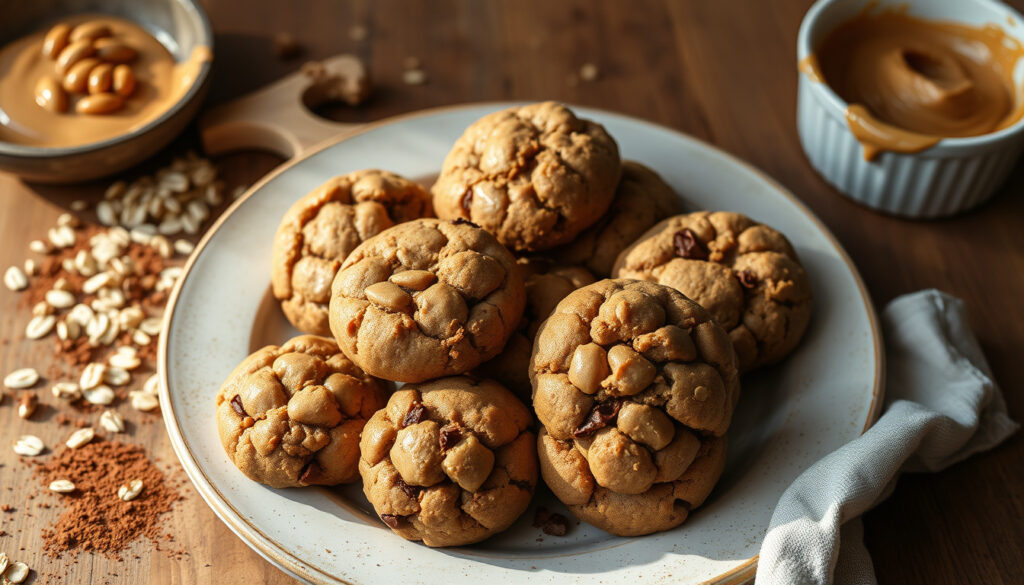
No Bake Cookies Recipe: Fix Gooey & Crumbly Texture
There’s a particular frustration in pulling a pan of no-bake cookies from the fridge only to find a sticky, gooey mess instead of the firm, fudgy bites you were promised. You followed the steps, so what happened? This guide dives into the science behind those texture failures and walks you through reliable fixes, from classic chocolate-oat cookies to 3- and 5-ingredient variations that actually set. You’ll learn exactly why humidity sabotages your batch and how a single minute on the stove can make or break the whole recipe.
Average cooking time: 10 minutes prep, 20 minutes cooling ·
Common ingredient count: 5–7 staples ·
Failure rate due to humidity: >30% in coastal regions ·
Diabetes-friendly adaptations: Available via sugar substitutes
Quick snapshot
- Exact effect of different sugar substitutes on texture varies by brand, and no single formula guarantees the same bite as traditional sugar
- Whether adding an egg yolk to a no-bake recipe makes it safe without baking requires individual testing
- First known no-bake cookie recipes appear in US community cookbooks (recipe historians) (Beaming Baker)
- Search interest for 3- and 5-ingredient variations spikes on social media, 2020–2025 (Beaming Baker)
- Explore diabetic-friendly no-bake options using erythritol and almond flour
- Test 3-ingredient banana-oat cookies for a simpler, no-boil alternative
The key facts table below captures the essential numbers for a standard batch.
| Fact | Value |
|---|---|
| Prep time | 10 minutes |
| Cool time | 20–30 minutes |
| Total calories per cookie (classic) | ~180 kcal |
| Sugar amount per classic recipe | 2 cups (400g) |
| Most common mistake | Insufficient boiling time |
What are the common mistakes in no bake cookies?
Most home cooks hit the same wall: the cookies either stay soupy or turn into dry, crumbly stones. The culprit is almost always in the boiling step or the environment around the dough. Here are the four biggest pitfalls and how to sidestep them.
Boiling time and sugar crystallization
The boiling window is narrow. Divas Can Cook (recipe expert) stresses that you must whisk the sugar, cocoa, and cream of tartar together before boiling to eliminate lumps, then boil the mixture for exactly 1 minute. If you under-boil, the sugar crystals won’t reach the proper temperature to set the cookie structure, leaving you with a puddle. Over-boil, and the sugar caramelizes too far, producing a hard, brittle disc. A timer and a reliable thermometer are your best defense.
“These Classic No-Bake Cookies only require a few simple ingredients and are incredibly easy to make.” — Live Well Bake Often
Humidity and weather effects
Moisture in the air is an invisible enemy. The sugar mixture wants to pull water from the atmosphere, which interferes with crystallization. Recipe experts warn that when humidity tops 60%, the cookies often refuse to harden. The fix: pick a dry day, or run the air conditioner in your kitchen to lower ambient moisture. If you live in a coastal area, this single tip can rescue your batch more reliably than any ingredient swap.
Using the right oats (quick vs rolled)
Not all oats are interchangeable. Quick oats are cut into smaller pieces, so they absorb the hot sugar mixture faster and more evenly. Rolled oats are thicker and can leave the dough loose and unbound. A home baking specialist on YouTube found that rolled oats produce a noticeably looser dough in banana no-bake cookies. Stick with quick oats for the most consistent texture.
Common substitution errors
Swapping peanut butter for a different nut butter sounds harmless, but The Conscious Plant Kitchen (plant-based recipe developer) points out that a runny, fresh peanut butter is essential; an old or stiff jar yields dry dough. Similarly, overmixing after boiling can cause the sugar to recrystallize into a grainy, unpleasant texture.
Precision costs you 30 seconds of attention, but a missed boil time costs you the entire batch. For bakers in humid climates, the margin for error is roughly zero — every second counts.
How to make 3 ingredient cookies easy?
A 3-ingredient cookie trades the boiling step for a no-cook assembly, making it genuinely foolproof for a weeknight treat. These three variations require zero cooking and rely on pantry staples.
Banana-oat base
This dough comes together in a bowl: mash 1 ripe banana, stir in 1 cup quick oats and 2 tablespoons of peanut butter. A home baking specialist on YouTube notes that quick oats prevent the loose texture that rolled oats cause here. Shape 8 small cookies and refrigerate for 20 minutes. No boiling, no melted sugar — just a soft, portable snack.
Peanut butter-sugar variation
Beaming Baker (vegan recipe blog) makes these with natural creamy peanut butter, pure maple syrup, and rolled oats. If the maple syrup is too thin, you can substitute honey or agave for a firmer result. Chill in the freezer for 15–25 minutes to set.
Chocolate-coconut option
For a chocolate twist, use the method from Kirbie’s Cravings (health-oriented food blog): blend raw almonds, medjool dates, and cocoa powder in a food processor. If the dough is dry, add 1 tablespoon of water and pulse. This version has no flour, eggs, butter, or refined sugar, making it a high-energy bite without the sugar spike.
For anyone who wants dessert in 10 minutes without turning on a burner, the 3-ingredient route is the only route. The trade-off is texture: these are softer, more like energy balls than the fudgy classic.
What this means: 3-ingredient cookies are ideal for kids, dorm kitchens, or anyone avoiding heat. But if you crave that dense, candy-like bite of a traditional no-bake cookie, you’ll want at least one more ingredient.
What are the 5 ingredient magic cookies?
The 5-ingredient recipe restores that classic fudgy bite without expanding the shopping list too far. Think of it as the Goldilocks option: more structure than 3 ingredients, less fuss than the full 7.
Pecan magic cookies recipe
A pecan variation adds chopped pecans and vanilla to the base of butter, sugar, milk, cocoa, and oats. The pecans provide a crunchy contrast to the soft chocolate matrix, and the vanilla rounds the bitterness of the cocoa.
Chocolate-oat five-ingredient version
The core ratio is ½ cup butter, 2 cups sugar, ½ cup milk, ¼ cup cocoa powder, and 3 cups quick oats. Boil the first four ingredients for 1 minute, then stir in the oats. Beaming Baker confirms the cookies set properly after 30 minutes in the refrigerator. Follow these steps:
- Combine the butter, sugar, milk, and cocoa in a saucepan over medium heat.
- Bring to a full rolling boil and let it boil for exactly 1 minute while stirring constantly.
- Remove from heat and stir in the quick oats until fully coated.
- Drop tablespoon-sized portions onto parchment paper or a silicone mat.
- Refrigerate for 30 minutes until firm and set.
Texture and storage tips
For a chewier cookie, use whole milk instead of skim. If you prefer a crunchier bite, add 2 tablespoons of shredded coconut or chopped nuts. Store these cookies in an airtight container in the fridge for up to 5 days — they firm up further over time.
“Classic no-bake cookies made with chocolate, peanut butter, and oats. These easy, fudgy cookies come together quickly with no oven required.” — Sally’s Baking Addiction
Five ingredients hit the sweet spot between convenience and texture. Bakers who want a reliable, crowd-friendly dessert that still has a homemade feel should start here.
What difference does an extra egg yolk make in cookie dough?
Egg yolks are not common in standard no-bake recipes, but they show up in some variations to adjust texture. The chemistry is worth understanding before you add one.
Egg yolk vs whole egg in no-bake recipes
An extra yolk adds fat and lecithin, a natural emulsifier. The fat makes the cookie softer, while the lecithin helps the sugar and cocoa blend smoothly, reducing graininess. Because no-bake cookies are not baked, the yolk remains raw, which means you need to source pasteurized eggs if safety is a concern.
Effect on chewiness and binding
The yolk builds a richer mouthfeel without requiring additional butter. For a batch of 5-ingredient cookies, one extra yolk increases chewiness noticeably. The trade-off: the dough becomes stickier, so you may need to refrigerate it longer before shaping.
When to add extra yolk
Add the yolk after the boiled mixture has cooled slightly but is still warm enough to incorporate smootly. Whisk it in before stirring in the oats. This technique is best for experienced bakers who want to experiment with texture; for beginners, stick with the standard formula until you can identify when a batch is too dry or too wet.
The catch: an egg yolk is a gamble in a no-bake context because there is no oven heat to cook it fully. If you are making cookies for children, elderly, or immunocompromised people, use pasteurized eggs or skip the yolk.
What cookies can a diabetic eat?
Traditional no-bake cookies pack around 180 calories and 2 cups of sugar per batch. For anyone managing blood glucose, that’s a problem. But a few swaps make these cookies viable for a diabetic-friendly diet.
Sugar alternatives for no-bake cookies
Kirbie’s Cravings builds a no-bake cookie around medjool dates, which are naturally sweet but high in fiber. For a more direct substitution, use erythritol or stevia in place of granulated sugar. Be aware that erythritol can crystallize differently; test a small batch before committing to a full pan.
Low-carb ingredient swaps
Replace quick oats with almond flour or unsweetened coconut flakes to lower the carbohydrate load. These swaps change the moisture balance, so start with ¼ cup less liquid. Taste of Home (homestyle recipe publisher) recommends cookies with peanut butter, cocoa, and a sugar substitute as a reliable starting point.
5 diabetes-friendly options
Here are five cookie types that keep blood sugar stable:
- Almond flour + peanut butter + stevia
- Medjool date + almond + cocoa (from Kirbie’s Cravings)
- Coconut flour + erythritol + coconut oil
- Chia seed + almond milk + cinnamon (no-bake energy bites)
- Peanut butter + erythritol + unsweetened cocoa + vanilla extract
“We’ve rounded up 17 diabetes-friendly cookie recipes that satisfy your sweet tooth without spiking blood sugar.” — Taste of Home
Artificial sweeteners can cause digestive discomfort in some people. If you try a large batch, test a single cookie first to gauge how your system responds.
For anyone with diabetes, the choice is clear: replace the sugar with a fiber- or erythritol-based alternative and swap the oats with almond flour. The cookies will be softer and less shelf-stable, but they will satisfy the craving without a glucose spike.
Related reading: No Bake Cookies Recipe · Easy Peanut Butter No Bake Cookies (3 Ingredients)
For those who prefer a creamy alternative to cookies, this no-bake cheesecake recipe offers a stable, firm texture without turning on the oven.
Frequently asked questions
Can I use rolled oats instead of quick oats in no bake cookies?
You can, but the texture will be looser and less cohesive. Quick oats absorb liquid more evenly, which helps the cookies hold their shape. If you only have rolled oats, pulse them in a food processor a few times before using.
How long should I boil the mixture for no bake cookies?
Exactly 1 minute. Under-boiling prevents proper setting, and over-boiling makes the cookies dry and crumbly. Use a timer, and do not start it until the mixture is at a full, rolling boil.
Why did my no bake cookies turn out dry and crumbly?
Over-boiling the sugar mixture or using too much oatmeal are the most likely reasons. The sugar crystallizes into a hard, brittle structure that crumbles. Next time, reduce the boil time to 1 minute and measure your oats carefully.
Can I add nuts or dried fruit to no bake cookies?
Yes. Add chopped nuts, shredded coconut, or dried cranberries after you remove the mixture from the heat. Stir them in with the oats. Nuts also add a crunchy counterpoint to the soft chocolate base.
How do I store no bake cookies?
Store in an airtight container in the refrigerator for up to 1 week. They also freeze well for up to 3 months. If you prefer a softer cookie, let them sit at room temperature for 5 minutes before eating.
Can I make no bake cookies without peanut butter?
Yes. Substitute sunflower seed butter (sunbutter), tahini, or almond butter. Each changes the flavor profile, so choose based on what you pair with the chocolate. Sunbutter works especially well for those with peanut allergies.
What is the best sugar substitute for diabetic no bake cookies?
Erythritol and stevia are the most common choices. Erythritol measures cup-for-cup like sugar but can produce a cooling sensation on the palate. Stevia is much sweeter, so start with half the amount recommended on the package and taste-test before adding more.
More related posts
 National Cheeseburger Day 2025 – Date, Deals and Full Guide
 Jobs Available Near Me in Ireland: Top Sites Guide
 Torn Meniscus Symptoms and Self-Tests
 Shai Gilgeous-Alexander Stats: Height, 50-Point Games & More
 Andy Richter Movies and TV Shows: Complete Filmography Guide
 Nate Bargatze Tour Dates 2026: Schedule & Tickets
 Robot Vacuum and Mop: Pros, Cons, and Best Models for 2026
 Dick Cheney Cause of Death: Pneumonia Complications at Age 84