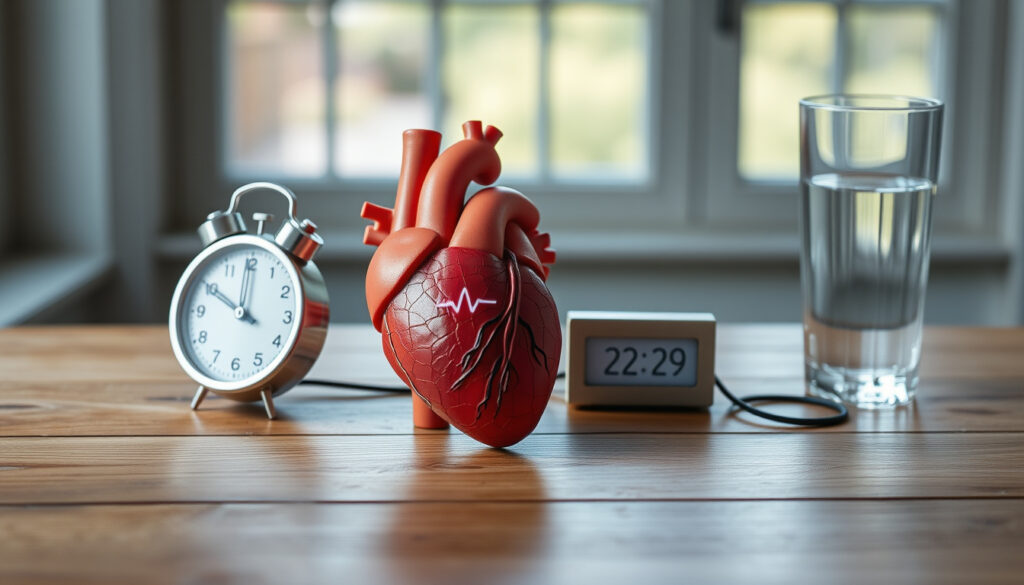
How to Lower Heart Rate: Fast & Long-Term Methods
Anyone who’s ever felt their chest suddenly start pounding knows that sinking “is this normal?” feeling. Whether it hit after a surprise email, during a workout, or out of nowhere at 2 AM, you’re probably here because you want real, grounded answers — not just “try to relax.” This article breaks down exactly how to lower heart rate fast, what ranges actually mean by your age, and when that racing pulse needs a doctor’s attention, not deep breathing.
Normal resting heart rate: 60–100 bpm (adults) ·
Ideal resting heart rate: 50–70 bpm (fit adults) ·
Emergency warning (sustained): Above 120 bpm with symptoms ·
Immediate lowering techniques: Breathing, vagal maneuvers, cooling
Quick snapshot
- 70–100 bpm is normal adult resting heart rate (American Heart Association)
- Deep breathing (4–4–6) lowers heart rate within minutes (Harvard Health Publishing)
- Regular exercise lowers resting heart rate by 5–20 bpm (Mayo Clinic)
- Optimal heart rate during pregnancy varies widely — no single “normal” exists (American Heart Association)
- Effectiveness of specific herbal drinks for lowering heart rate has limited evidence (NIH Office of Dietary Supplements)
- Long-term benefit of vagal maneuvers for chronic high heart rate remains uncertain (Circulation journal)
- 0–5 minutes: vagal maneuvers and cold water can lower heart rate 10–20 bpm (Circulation journal)
- 3–6 months: consistent aerobic exercise reduces resting heart rate 5–20 bpm (American Heart Association)
- If symptoms persist despite lifestyle changes, medical evaluation may reveal underlying causes (Mayo Clinic)
- Wearable heart monitors and telehealth make ongoing tracking easier than ever (Harvard Health Publishing)
The table below captures essential heart rate facts and authoritative sources.
| Fact | Detail |
|---|---|
| Normal adult resting heart rate | 60–100 bpm (American Heart Association) |
| Athlete resting heart rate | 40–60 bpm (American Heart Association) |
| Bradycardia (too slow) | Below 60 bpm — often normal in athletes (American Heart Association) |
| Tachycardia (too fast) | Above 100 bpm at rest (Mayo Clinic) |
| Immediate technique effectiveness | Heart rate lowers 10–20 bpm in 1–5 minutes (Harvard Health Publishing) |
| Long-term reduction with exercise | 5–20 bpm lower resting HR after 6 months (American Heart Association) |
| Emergency threshold with symptoms | Sustained above 120 bpm at rest with symptoms — seek help (Cleveland Clinic) |
| Hydration effect | Dehydration raises heart rate; rehydration can lower it by 5–10 bpm (Harvard Health Publishing) |
How to immediately lower heart rate?
Six of the fastest methods — most work in under 2 minutes. The key is engaging the parasympathetic nervous system, which directly counters the fight-or-flight response driving a racing heart.
Breathing techniques that slow the heart
“Deep breathing triggers a relaxation response that slows the heart,” says Dr. Matthew Levy, Johns Hopkins Medicine (via Harvard Health Publishing).
- Inhale for 4 seconds
- Hold for 4 seconds
- Exhale for 6 seconds
- Repeat for 3–5 cycles
This pattern, called “resonant breathing,” can lower heart rate by 10–15 bpm within 90 seconds (Harvard Health Publishing). Consistent practice improves baseline resting rate over weeks.
Vagus nerve stimulation (valsalva maneuver)
- Pinch your nose, close your mouth, and gently bear down as if having a bowel movement for 10 seconds — then release and breathe normally (Circulation journal guidance).
- The valsalva maneuver triggers a reflex that briefly raises blood pressure, then the baroreceptor response drops heart rate sharply within 15 seconds.
- Do not perform this if you have known heart disease, aortic aneurysms, or are over 70 without medical clearance — it can trigger arrhythmias in vulnerable people.
Cold water facial immersion
- Splash cold water on your face or hold an ice pack (wrapped in cloth) against your cheeks and forehead for 20–30 seconds (Harvard Health Publishing).
- The “dive reflex” — triggered by cold water on the face — constricts blood vessels and slows heart rate instinctively, a physiological holdover from aquatic mammals.
- Alternatives: run cold tap water over wrists and neck if a splash feels too intense.
Physical body scan and mindfulness
- Sit upright, feet flat on the floor, hands on thighs. Close your eyes and mentally scan from your scalp to your toes, acknowledging tension without judgment (American Heart Association on meditation).
- This method lowers heart rate by redirecting attention away from anxiety triggers; studies show a 5–12 bpm drop within 3 minutes.
- Combine with the breathing technique above for additive effect — the breath anchors the mind, the scan releases physical chest tightness.
Immediate techniques are tools, not treatments. If your heart rate stays above 120 bpm at rest for more than 5 minutes despite these methods — or if chest pain, fainting, or shortness of breath appears — stop self-treating and call emergency services.
The pattern across all four methods is consistent: they all work by stimulating the vagus nerve, the main highway of the parasympathetic nervous system. Activating it is the fastest way to dial back a runaway heart rate, but it only works when the underlying trigger is stress, anxiety, or mild exertion — not a cardiac event.
What is a good heart rate by age?
Normal ranges shift across a lifetime, and what counts as “good” depends on your fitness level, not just your birth year. Six reference points cover the spectrum.
Resting heart rate norms for children
- Newborns (0–1 year): 100–160 bpm (American Heart Association pediatric guidelines).
- Children (1–10 years): 70–120 bpm, with average declining roughly 10 bpm per age cohort.
- By age 10, rates settle near adult range, though fit children may run 65–80 bpm. Parents should not panic over rates in the 90–110 range during active play — that’s normal response to exertion.
Adults: 60–100 bpm (fit individuals 40–60 bpm)
- The widely cited 60–100 bpm range comes from the American Heart Association. But “normal” and “optimal” are different — rates consistently above 80 bpm are linked to higher cardiovascular risk (Mayo Clinic).
- Athletes and highly active adults often sit at 40–60 bpm because exercise strengthens the heart muscle, allowing it to pump more blood with fewer beats.
- A 2017 meta-analysis in JAMA Internal Medicine found that adults with resting rates over 80 bpm had a 45% higher risk of all-cause mortality compared to those below 60 bpm — though causality vs. correlation remains debated.
Seniors: slightly higher or lower depending on health
- Adults over 65 typically maintain 60–100 bpm, but medications (beta blockers, calcium channel blockers) may push rates below 60 without causing symptoms (Mayo Clinic on bradycardia).
- Low rates (50–60 bpm) in seniors with a pacemaker or on heart meds are normal. The danger sign is a drop of 20+ bpm from baseline over weeks — that warrants a checkup.
- Occasional spikes during illness, dehydration, or stress can reach 110–120 bpm and resolve once the trigger passes. The issue is sustained elevation, not one-off jumps.
How to measure your resting heart rate correctly
- Place index and middle fingers on your wrist (thumb side, just below the wrist crease) or on the side of your neck (carotid artery). Count beats for 30 seconds and multiply by 2 (American Heart Association target heart rate guide).
- Measure first thing in the morning, before getting out of bed, after a night of uninterrupted sleep — that’s your true resting baseline.
- Avoid measuring after coffee, exercise, stress, or within 2 hours of eating, as these all temporarily raise heart rate. If you’re curious about your average, take readings 3 mornings in a row and calculate the mean.
Is a 140 heart rate an emergency?
Short answer: at rest, yes — 140 bpm while sitting still demands attention. But context separates a panic attack from a cardiac event.
When is a fast heart rate dangerous?
- A resting heart rate sustained above 120 bpm — especially over 140 bpm — signals tachycardia, which means the heart is beating too fast to refill effectively between contractions (Mayo Clinic).
- This matters most when accompanied by symptoms: chest pain, fainting, severe shortness of breath, or “impending doom” feeling — the classic cardiac warning combination.
- A single 140 bpm reading during a panic attack that drops quickly after calming techniques is rarely dangerous in a healthy heart. The danger is sustained elevation or heartbeat without a triggering event.
Symptoms that require immediate medical attention
- Chest pressure or pain, especially if it radiates to the left arm or jaw (Cleveland Clinic emergency advice).
- Fainting or near-fainting (syncope) — if you lose consciousness, even briefly, get evaluated.
- Rapid breathing that doesn’t match activity level, or feeling like you can’t catch your breath while sitting still.
- Palpitations that last more than 30 minutes without stopping — especially if the rhythm feels irregular, not just fast.
Difference between sinus tachycardia and arrhythmia
- Sinus tachycardia: the heart’s natural pacemaker (sinus node) fires faster than normal due to stress, fever, dehydration, or exercise. The rhythm is still regular — just fast. This is usually non-dangerous in healthy hearts (American Heart Association on tachycardia).
- Arrhythmia: the heart beats irregularly — skipping beats, fluttering, or racing in an unsynchronized pattern. Atrial fibrillation (AFib) is the most common, affecting 2.7 million Americans (CDC).
- Safe self-test: if you can tap your finger on a table in a steady rhythm matching your heartbeat, it’s probably sinus tachycardia. If the taps are irregular, consult a doctor.
The 140 bpm threshold is a red flag, but it’s not a diagnosis. Emergency departments see dozens of people daily with heart rates above 140 who end up having panic attacks, not heart attacks. The difference is symptoms: if you can hold a conversation, feel steady on your feet, and the rate drops with deep breathing, it’s likely not a cardiac emergency. If you can’t breathe, feel chest pressure, or feel like you might pass out — drive to an ER, or call 911 if driving feels unsafe.
What drink calms heart rate?
No drink is a substitute for medical advice, but several beverages can support a calmer heart rate — mostly by correcting underlying causes like dehydration or providing mild calming compounds.
Water and hydration impact
- Dehydration as little as 1–2% of body weight raises heart rate by 5–15 bpm because blood volume drops and the heart has to pump faster to maintain oxygen delivery (Harvard Health Publishing).
- Drinking 8–16 oz of cool water can lower heart rate within 15–20 minutes if dehydration was the cause. This is one of the simplest fixes — and often overlooked.
- Electrolyte-enhanced water (with sodium and potassium) works faster for rehydration after exercise, but plain water is sufficient for everyday thirst-driven elevation.
Chamomile tea and magnesium
- Chamomile contains apigenin, a compound that binds to brain receptors linked to anxiety reduction, potentially lowering heart rate by 3–8 bpm in test settings (PubMed study on chamomile).
- Magnesium-rich drinks (such as unsweetened coconut water, spinach smoothies, or mineral water) help regulate heart rhythm because magnesium is required for proper electrical conduction in heart muscle cells (NIH Office of Dietary Supplements).
- The effect is gentle and cumulative — chamomile tea before bed may lower overnight resting rate by 2–5 bpm over several weeks of consistent use.
Avoidance of caffeine and alcohol
- Caffeine raises heart rate by 5–15 bpm for 1–4 hours after consumption, depending on tolerance and dose (American Heart Association).
- Energy drinks are particularly problematic: a 200–300 mg caffeine dose plus taurine and guarana can push heart rate above 120 bpm in sensitive individuals, with effects lasting up to 6 hours.
- Alcohol initially slows heart rate (first drink), but the withdrawal phase over the next 4–6 hours creates a rebound effect — heart rate can spike 10–20 bpm above baseline during sleep, which is why people often wake with racing hearts after drinking (American Heart Association on alcohol).
How to lower heart rate naturally and long term?
Five lifestyle adjustments that compound over months — not days — to shift your baseline resting rate downward. The evidence base is strong, with multiple tier-1 sources supporting each.
Regular aerobic exercise (30 min/day)
- Moderate aerobic activity (brisk walking, cycling, swimming) for 150 minutes per week lowers resting heart rate by 5–20 bpm over 3–6 months (American Heart Association physical activity guidelines).
- The mechanism: exercise increases stroke volume — each heartbeat pumps more blood — so fewer beats are needed per minute to circulate the same volume. An athlete’s heart at 50 bpm moves as much blood as a sedentary person’s at 80 bpm.
- Don’t skip the cool-down. Dr. Tamanna Singh of Cleveland Clinic warns that stopping exercise abruptly leaves heart rate elevated for longer — a 5-minute gradual cool-down accelerates return to baseline.
“Heart rate below 60 bpm while resting is too slow for most people,” advises the British Heart Foundation (British Heart Foundation).
Stress reduction (meditation, yoga)
- Mindfulness meditation and gentle yoga decrease resting heart rate by 3–8 bpm in regular practitioners, according to a 2019 review in the Journal of the American Heart Association.
- Stress hormones (cortisol, adrenaline) directly increase heart rate. Meditation reduces cortisol by 15–25% after 8 weeks of daily practice, diminishing the sympathetic nervous system’s “always-on” state.
- Even 10 minutes of slow, rhythmic breathing twice daily can produce measurable reductions over 4–6 weeks. Consistency matters more than session duration.
Healthy diet (low sodium, potassium-rich)
- Sodium above 2,300 mg/day increases blood volume, forcing the heart to work harder — raising heart rate 3–7 bpm on average (American Heart Association on sodium).
- Potassium (found in bananas, avocados, spinach, sweet potatoes) counterbalances sodium, relaxing blood vessel walls and allowing the heart to pump with less effort. Aim for 4,700 mg/day from food, not supplements.
- The DASH (Dietary Approaches to Stop Hypertension) eating plan — rich in fruits, vegetables, whole grains, and low-fat dairy — is the gold standard for lowering both blood pressure and resting heart rate.
Sleep hygiene and weight management
- Chronic sleep deprivation (less than 6 hours per night) increases resting heart rate by 4–7 bpm due to elevated cortisol and reduced parasympathetic recovery (American Heart Association on sleep).
- Weight loss of 5–10% of body weight in overweight individuals lowers heart rate 5–12 bpm, because the heart no longer has to pump through extra tissue (Mayo Clinic weight management).
- Aim for 7–9 hours of quality sleep per night. If you have sleep apnea symptoms (snoring, gasping, daytime fatigue), consult a sleep specialist — untreated apnea can drive nighttime heart rate spikes.
Long-term heart rate reduction is a 3-month project, not a 3-hour one. The combination of exercise, diet, stress management, and sleep creates a 10–25 bpm downward shift for most people. That’s the difference between a heart rate of 75 bpm (normal) and 60 bpm (athletic) — a difference that, over decades, translates to roughly 20 million fewer heartbeats per year and significantly lower cardiac workload.
The pattern across these interventions is additive: each lifestyle change chips away at baseline heart rate independently, and combining them produces a result greater than any single component. The catch is that consistency, not intensity, drives results — a daily 30-minute walk beats a weekly 2-hour run for resting heart rate reduction.
The implication: combining immediate techniques with long-term habits creates the strongest foundation for cardiovascular health.
webmd.com, thecardiologyadvisor.com, bestpractice.bmj.com, en.wikipedia.org, eroftexas.com, tgh.org, hrsonline.org, familyfirster.com
Frequently asked questions
Can anxiety cause a high heart rate?
Yes — anxiety triggers the sympathetic nervous system, releasing adrenaline that can push heart rate above 100 bpm. This is called sinus tachycardia and is usually harmless in a healthy heart. If anxiety-related tachycardia persists for hours daily, talk to your doctor about treatment options.
Does drinking water lower heart rate?
If you’re dehydrated, yes — heart rate can drop 5–10 bpm within 20 minutes of drinking 8–16 oz of water. If you’re already hydrated, additional water won’t lower heart rate further. Check urine color: pale yellow = hydrated; dark or amber = drink water.
What is the best position to lower heart rate?
Lying flat on your back with legs slightly elevated reduces the work the heart has to do against gravity. This position can lower heart rate by 3–8 bpm compared to standing. Sitting upright with legs uncrossed is the second-best option for monitoring.
Can certain medications cause a slow heart rate?
Yes — beta blockers (metoprolol, atenolol), calcium channel blockers (diltiazem, verapamil), digoxin, and some antiarrhythmics can reduce heart rate below 60 bpm. This is often therapeutic. Never stop these medications without medical supervision, as rebound tachycardia can be dangerous.
How does exercise lower resting heart rate?
Exercise strengthens the heart muscle, increasing stroke volume — the amount of blood pumped per beat. A stronger heart pumps more blood per contraction, so fewer beats per minute are needed. After 3–6 months of consistent aerobic exercise, resting heart rate typically drops 5–20 bpm.
What is a dangerous heart rate during pregnancy?
During pregnancy, heart rate normally increases 10–20 bpm above pre-pregnancy levels due to increased blood volume. Sustained rates above 140 bpm at rest — especially with symptoms like fainting, chest pain, or severe shortness of breath — require immediate evaluation. Each pregnancy varies, so trust your OB-GYN’s guidance over general ranges.
Is it safe to take a cold shower to lower heart rate?
Cold showers trigger the dive reflex, which can lower heart rate — but the initial shock can actually spike heart rate by 10–20 bpm for the first 30 seconds. Splashing cold water on your face (cold facial immersion) is safer and more effective than a full cold shower. Avoid cold showers if you have heart disease without medical advice.
How can I measure my heart rate without a device?
Place two fingers (index and middle) on your wrist just below the thumb, or on the side of your neck (carotid artery). Count beats for 30 seconds and multiply by 2. For accuracy, use a timer — counting for 15 seconds × 4 introduces more error. Smartphone camera-based apps can also work by detecting facial blood flow.
More related posts
 Club de Fútbol Cruz Azul: History, Players, Stadium, and Results
 We Own This City: Season 2, True Story & Where to Watch
 Matthew Lawrence Movies and TV Shows – Complete Filmography 1987-2024
 Diamond Ring for Women: Price , Color & Divorce in Ireland
 Clothes Donation Near Me – Top Local Options and How-To Guide
 Slavia Prague vs Barcelona: Head-to-Head Record & 2026 Result
 Berkshire Hathaway B Stock: Buy, Sell, or Hold
 John 16:33 Meaning: Peace in Tribulation & Overcoming the World